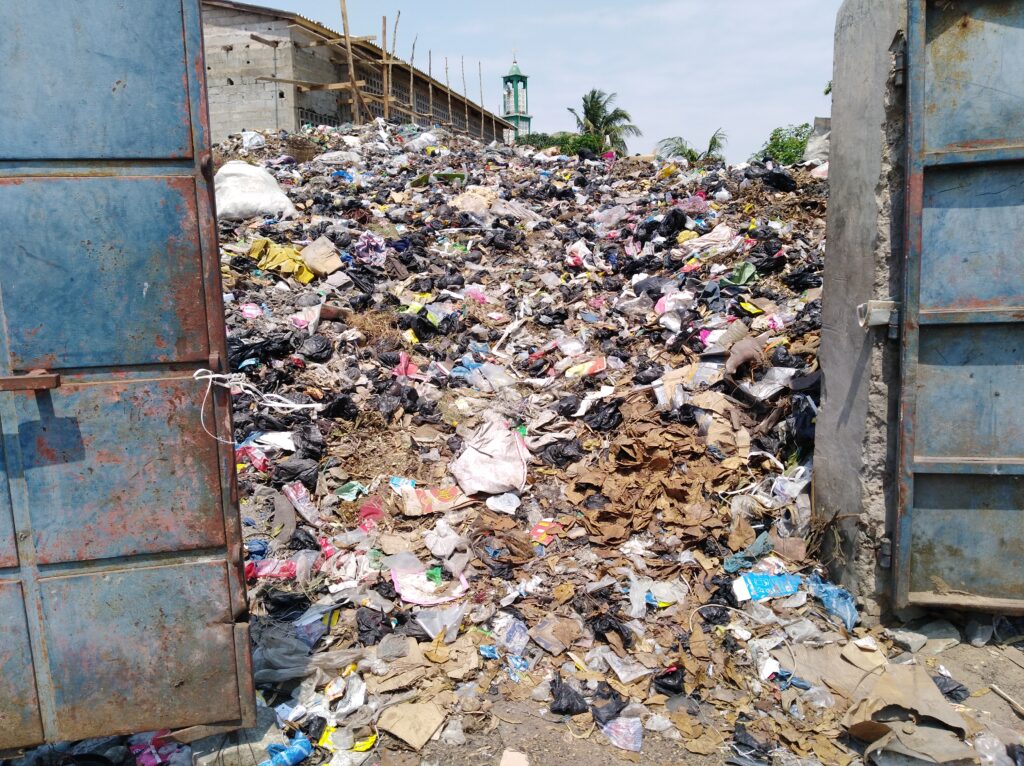
The influencing factors on waste generation
Over the decades, waste management has posed several environmental pollution and human health risks. To understand and overcome such issues, the estimation of waste generation is often based solely on the population’s growth rate. Waste facilities lack proper system design, which often results in an underestimation of their capacity and project failure. The success of projects depends on effective waste stream flow control. Its generation trend is strongly affected by human activities and environmental factors.
Socio-economic factors
The electricity consumption and households & institutions are one of the most influential factors on monthly waste generation. This is illustrated by the permanent socio-economic ecosystem transformation through Human activities in areas such as agriculture, industry, transportation, energy, etc. Such Human activities are by nature dynamic, and affect waste stream flow and its composition.
Climatic factors
Among the climatic features, the humidity and temperature affect the waste generation trend more, and play an important role in human living conditions and the environment. They are the season variability indicators, which reflect the seasonal variation in waste generation in terms of materials weight proportion and physicochemical properties.
Land use and land cover factors
The occurrences in land use and land cover, primarily seen as consequences of human activities for agricultural and urbanization needs, have been shown to affect waste generation. Specifically, the proportions of vegetation, water bodies, built area, and bare land in a given area indicate the level of human footprint, which results in waste generation. Therefore, any variability in these features leads to waste generation variation.
Conclusion
Waste generation trend follows the occurring changes observed in the socio-economic, climatic, and land use and land cover factors in a given area. However, waste generation trend is predominantly driven by the socio-economic factors, followed by the climatic, and the land use and land cover factors. Therefore, like human behavior, waste generation is dynamic, and its estimation is still hard to predict. A good track and approximation of waste generation should consider such phenomena for better waste facilities design and management practices.